Follicular Studies
What a follicular study scan tracks during fertility treatment, when it is done and what the measurements mean, explained by Dr. Veena Choodamani, Trivandrum.
Overview
The female reproductive system has small tissues called ovarian follicles that contain and release eggs for fertilization during ovulation. Follicular Studies involves a series of vaginal scans to help you precisely know when you are ovulating. Generally, these scans start around day 9th of your cycle and continue till day 20th. The doctor will observe the follicle development occurring in your ovaries. It is a vital process for getting pregnant through fertility treatments like IVF.
Performed via ultrasound, a follicular study examines the ovarian follicles and takes pictures of the internal organs which are further analyzed. The scans are done by inserting a small plastic probe into the vagina, maintaining the highest levels of hygiene and cleanliness.
What Is the use of follicular Scan?
Follicular studies are a huge component of fertility treatments, as they are essential to check if the woman is responding to the treatment. If the person if opting for the IVF (in-vitro fertilization) method of fertilization, follicular scans are necessary too.
A follicular scan helps in ascertaining the size of any active follicles in the ovaries that can contain an egg and effectively predict ovulation so that fertilization can take place naturally.
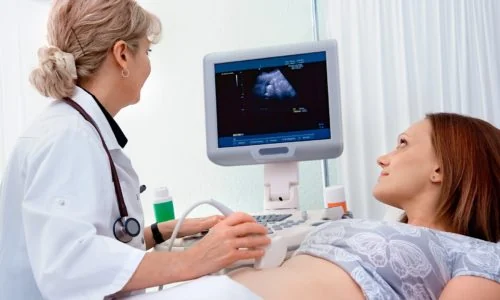
After a follicular scan, a couple trying to get pregnant can know when ovulation is likely to happen. If pregnancy is to take place through fertility treatment, the scan helps to determine the presence of follicles and the best time to extract an egg for fertilization. then the dosage of medicines can be adjusted to maximize the chances of conception.
Who Needs to Get a Follicular Scan Done?
This scanning procedure is recommended for couples who are trying to get pregnant, especially if they have not succeeded after trying for many months. The tracking process is also beneficially for:
-
Women who do not know when they ovulate, even after using prediction kits for some time.
-
Women who have had unfortunate miscarriages occurring at the early stages of pregnancy, since these scans can help them understand why it occurred.
-
Women who have been taking medication to induce the ovulation process in them, or drugs to counter other conception-based problems.
-
Anyone with unexplained infertility, people with endometriosis or PCOD, and older patients.
This page is written for general understanding and is not medical advice. It cannot take account of your own history, and a consultation is needed before any diagnosis or treatment. Reviewed by Dr. Veena Choodamani, MBBS, MD, DNB.